
NCLEX - Hypertension Pathophysiology
Start your One-Week Free Trial
Already subscribed? Log in »
Here are key facts for NCLEX-RN & NCLEX-PN from the Blood Pressure Regulation and Hypertension tutorial, as well as points of interest at the end of this document that are not directly addressed in this tutorial but should help you prepare for the boards. See the tutorial notes for further details and relevant links.
Below is information not explicitly contained within the tutorial but important for NCLEX.
 2. Nursing Diagnoses:
- --
VITAL FOR NCLEX
Blood Pressure Regulation Basics
1. Mean arterial pressure is determined by:
- Cardiac output
- Total peripheral resistance (systemic vascular pressure)
- Increased cardiac output
- Increased total peripheral resistance
- Often a combination of both factors
- Heart rate
- Stroke volume (affected by preload and contractility)
- Blood volume (increased volume = increased preload)
- Venous return
- Sodium and water retention by kidneys
- Vasoconstriction of small arteries and arterioles
- Structural changes in blood vessels
Key Blood Pressure Mediators
1. Antidiuretic hormone (ADH/vasopressin):
- Secreted by posterior pituitary
- Causes vasoconstriction
- Increases sodium and water retention in kidneys
- Secreted by adrenal cortex
- Increases sodium and water retention
- Similar effects to ADH
- Potent vasoconstrictor
- Increases sodium and water retention
- Stimulates release of norepinephrine, ADH, and aldosterone
- Target of multiple antihypertensive medications
- Vasoconstrictor
- Increases heart rate and contractility
Hypertensive Crisis Assessment
1. Classification:
- Hypertensive urgency: BP >180/120 mmHg without end-organ damage
- Hypertensive emergency: BP >180/120 mmHg with end-organ damage
- Severe headache with confusion
- Impaired vision
- Chest pain and shortness of breath
- Nausea and vomiting
- Anxiety
- Seizures
- --
HIGH YIELD
Nursing Assessment for Hypertension
1. Identify factors affecting blood pressure:
- Blood volume status
- Cardiac function
- Vascular tone
- Medication effects
- Vascular remodeling from chronic hypertension
- Increased endothelin (vasoconstrictor)
- Decreased nitric oxide (vasodilator)
- Salt sensitivity
- Aldosterone-secreting tumors
- Kidney disease
Pharmacologic Considerations
1. RAAS-targeting medications:
- Angiotensin II is broken down by ACE inhibitors
- Bradykinin levels increase with ACE inhibitors
- Relationship between angiotensin II and bradykinin affects medication effectiveness
- Work against endogenous vasoconstrictors
- Important vasodilators: nitric oxide, prostaglandins, histamine, bradykinin
- Genetic predisposition
- Diet (especially sodium intake)
- Physical activity levels
- Stress management
- --
Beyond the Tutorial
Nursing Process Application
1. Assessment:
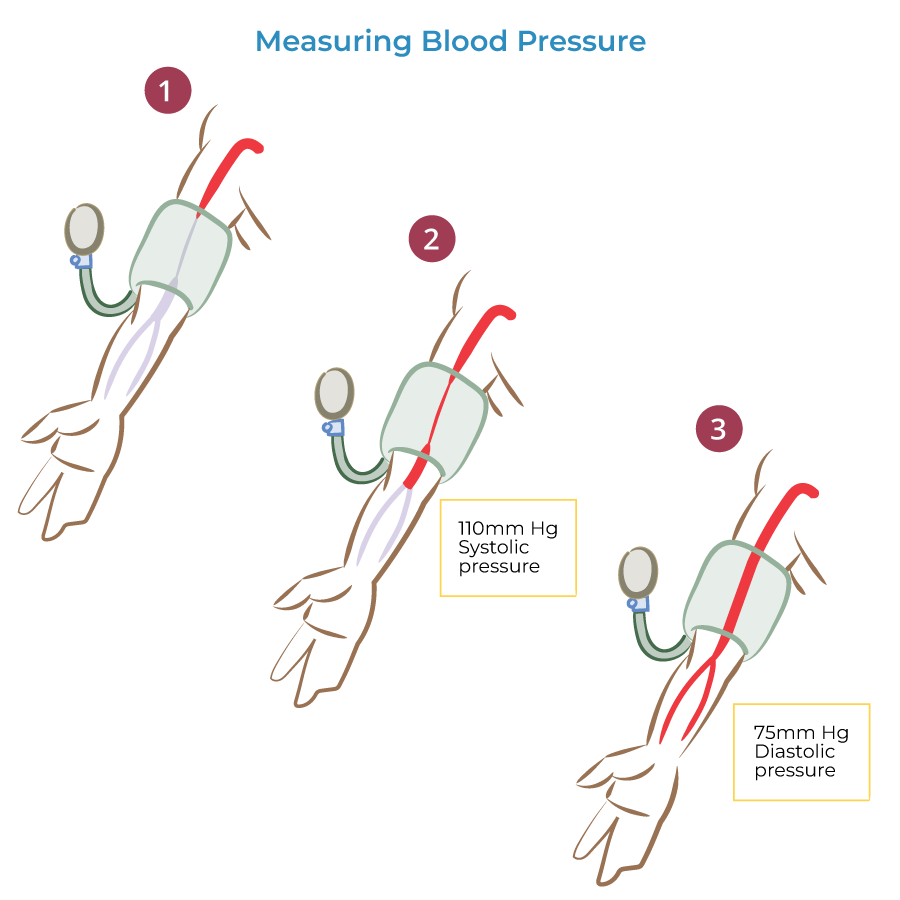
- Proper BP measurement technique
- Orthostatic BP assessment
- Symptom evaluation for end-organ damage
- Medication adherence assessment
2. Nursing Diagnoses:
- Risk for decreased cardiac tissue perfusion
- Deficient knowledge related to hypertension management
- Noncompliance with therapeutic regimen
- Ineffective health maintenance
- Patient education about lifestyle modifications
- Medication administration and teaching
- Monitoring for medication side effects
- Emergency protocols for hypertensive crisis
- Blood pressure response to interventions
- Patient understanding of disease process
- Adherence to treatment plan
- Development or resolution of complications
Patient Education Priorities
1. Lifestyle modifications:
- Sodium restriction
- DASH diet principles
- Regular physical activity
- Stress management techniques
- Purpose of each medication
- Common side effects
- Administration guidelines
- Importance of adherence even when asymptomatic
- Home BP monitoring technique
- When to contact healthcare provider
- Recognition of warning signs
- When to seek emergency care